Lucknow · Since 1987
Dum.
Awadhi.
Where goat simmers on coal for six hours and every spice has a name.
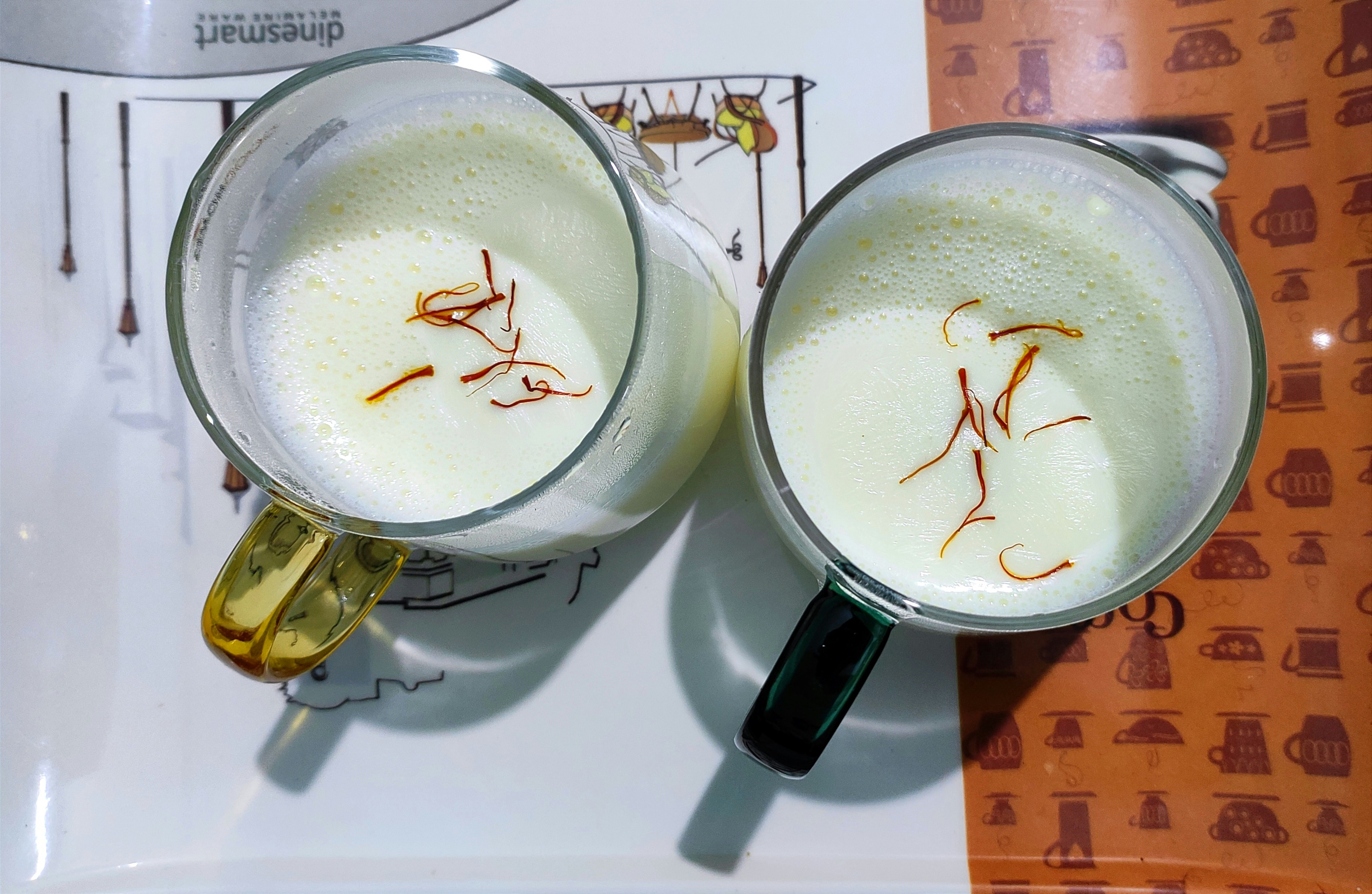
Kesar — Kashmiri saffron, 0.3g per degchi
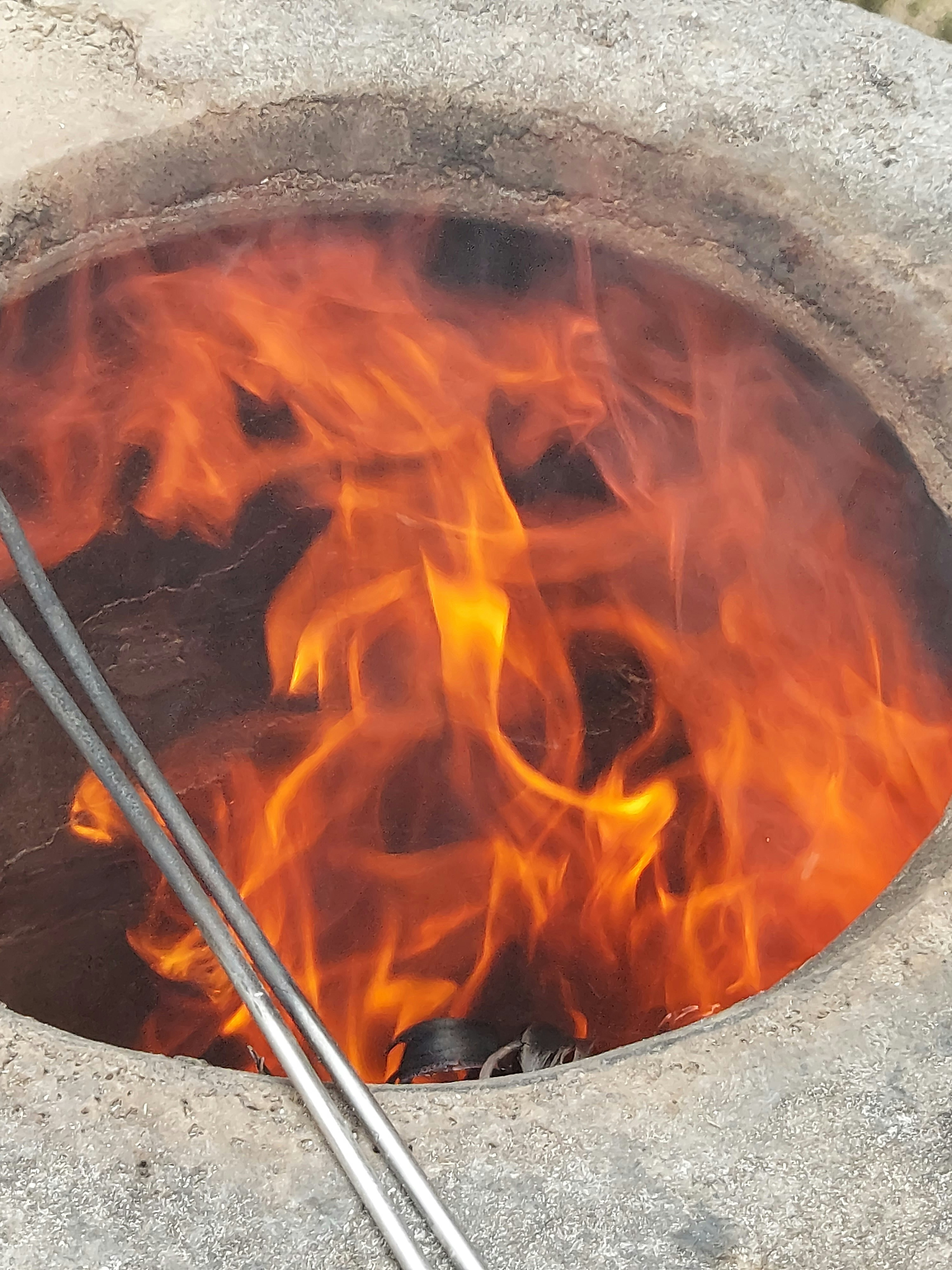
Tandoor — 400°C, mitti from Moradabad
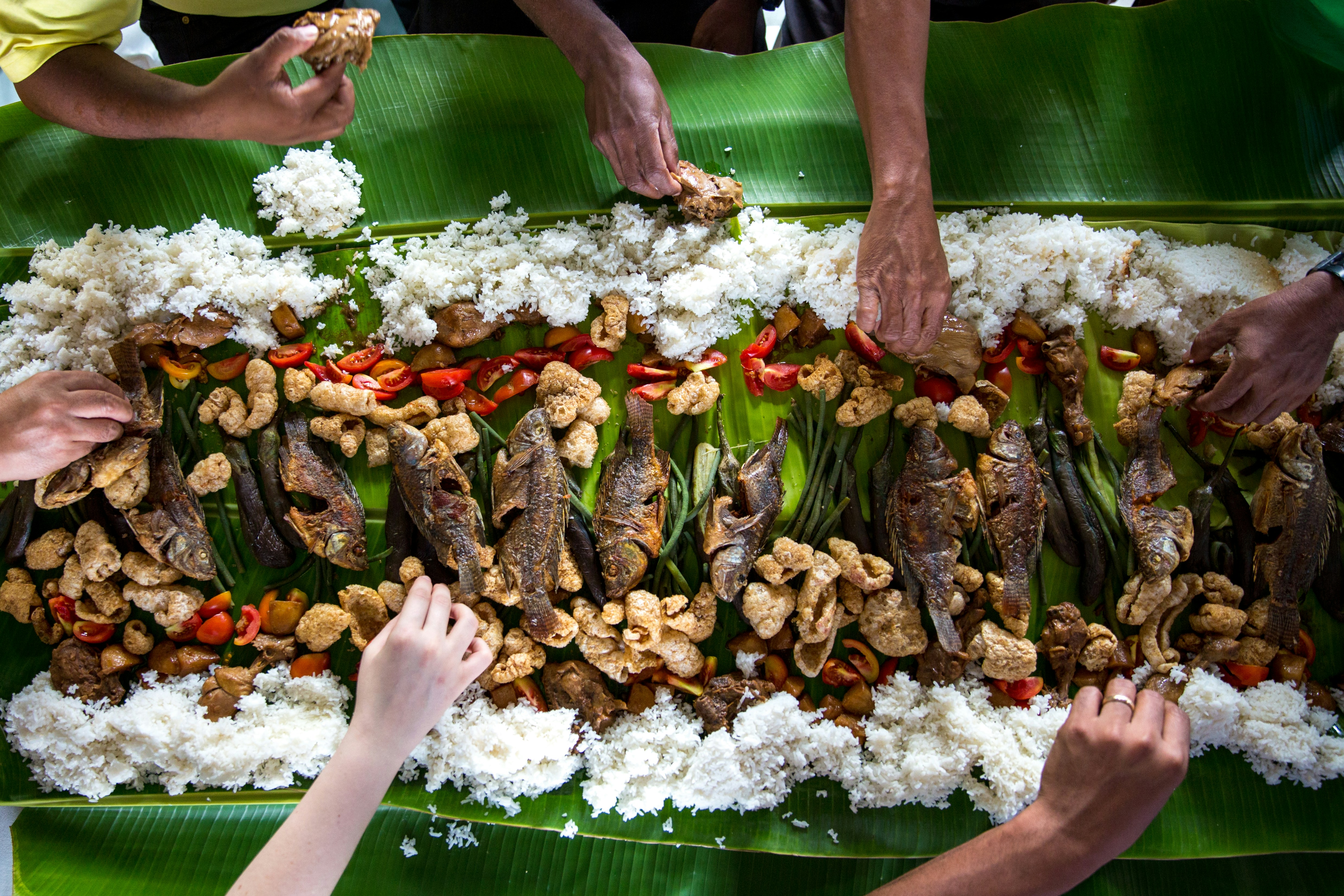
Patta — banana leaf service, Varanasi tradition
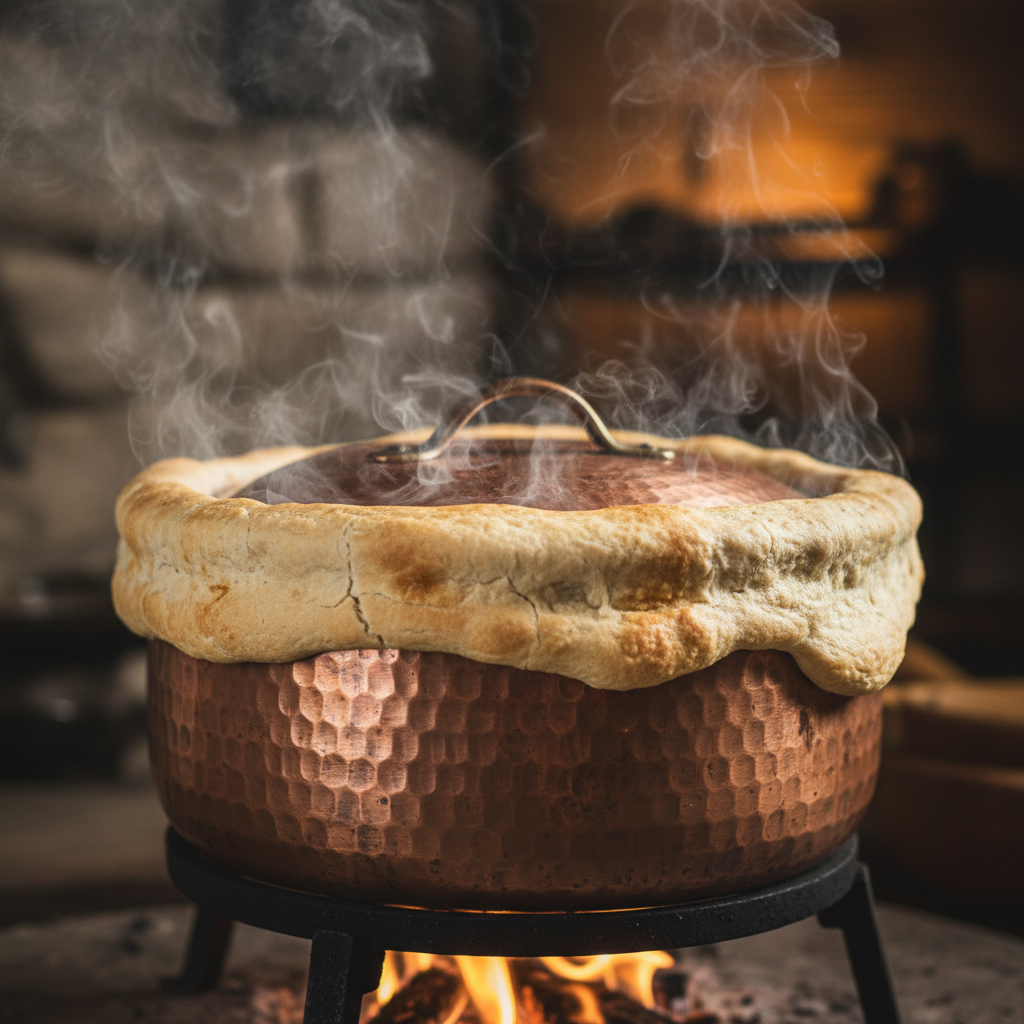
Dum — sealed with atta, opened at the table
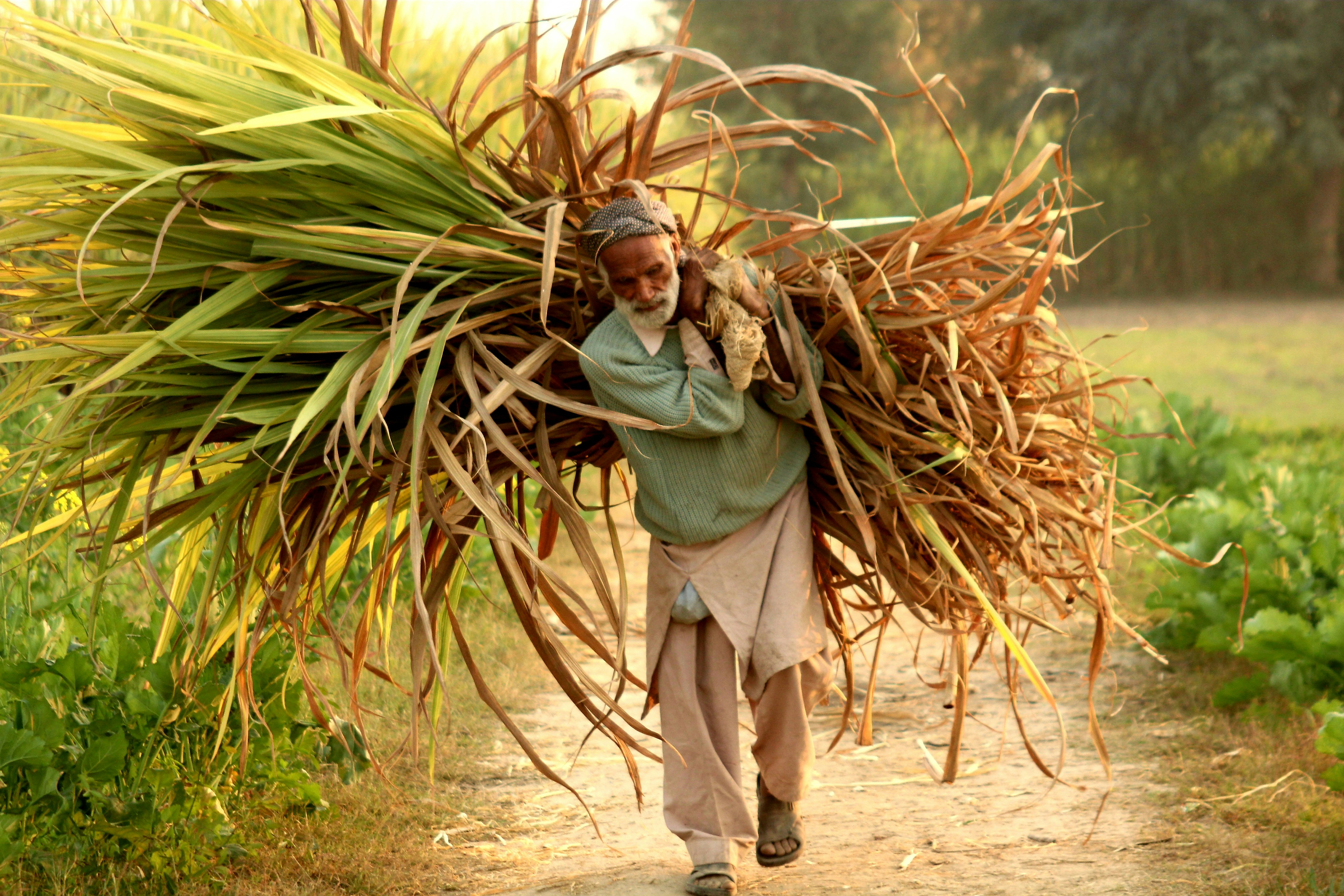
Ganna — Barabanki district, UP
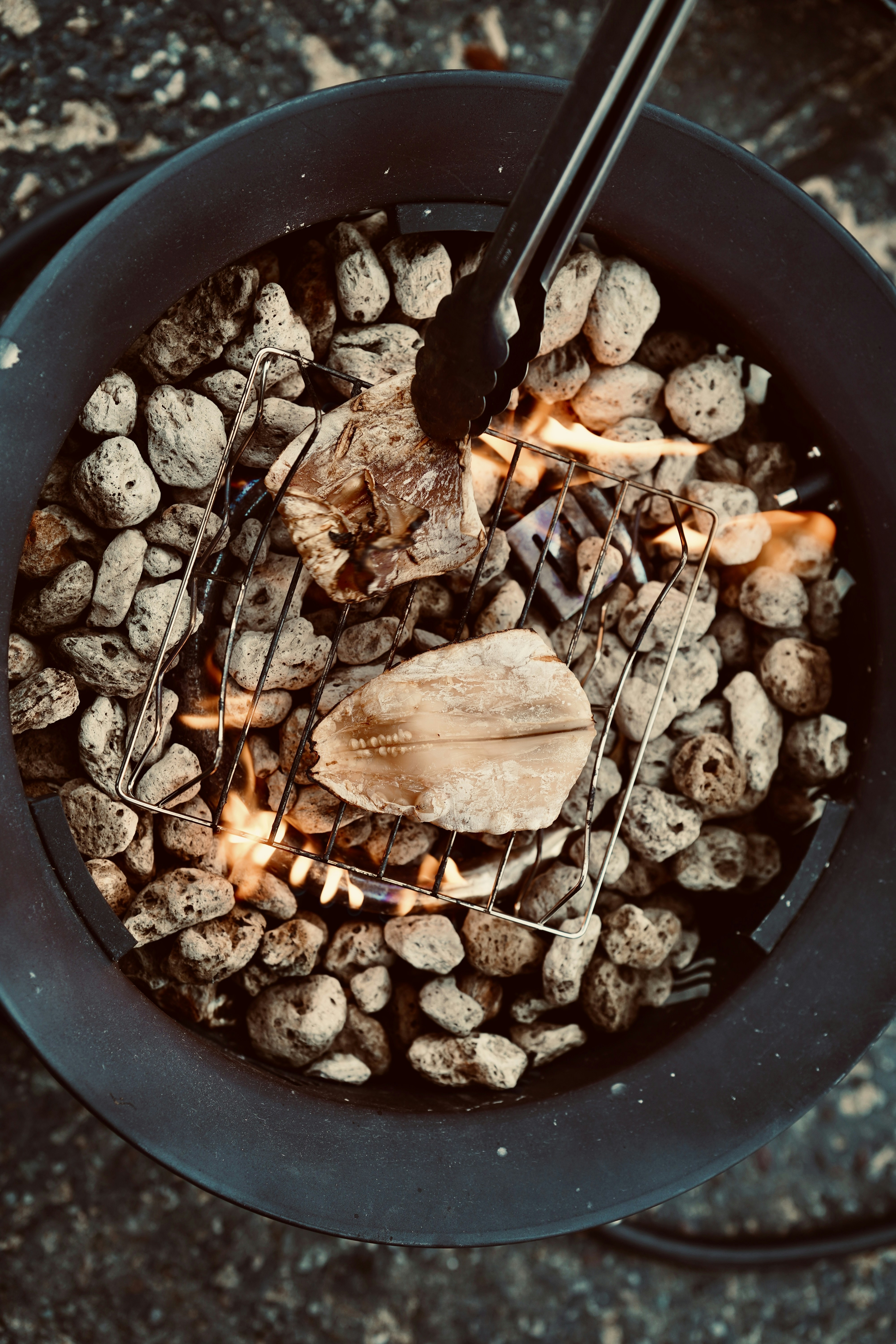
Seekh — hand-minced, no machine
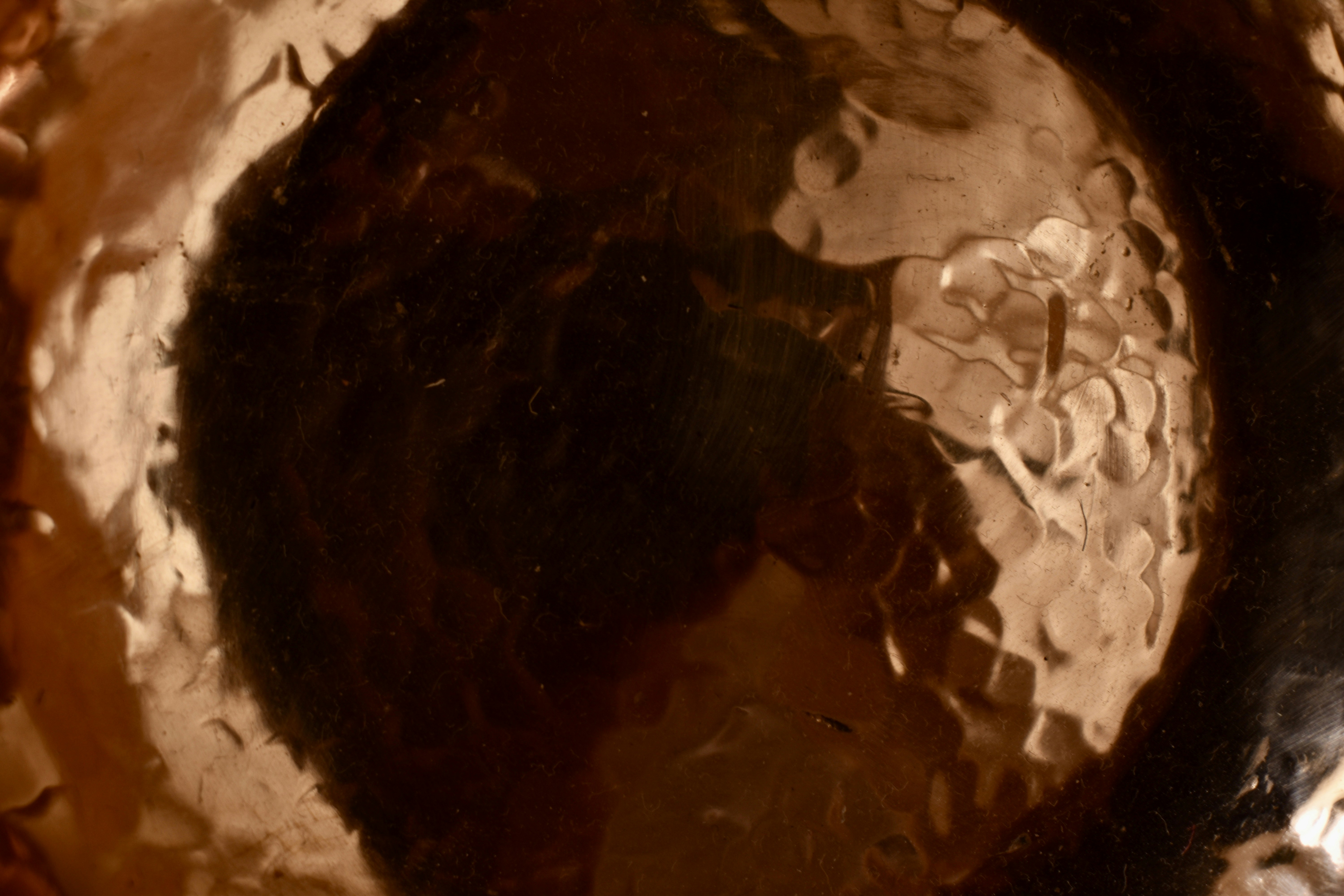
Tamba — copper from Mirzapur, 30 years old
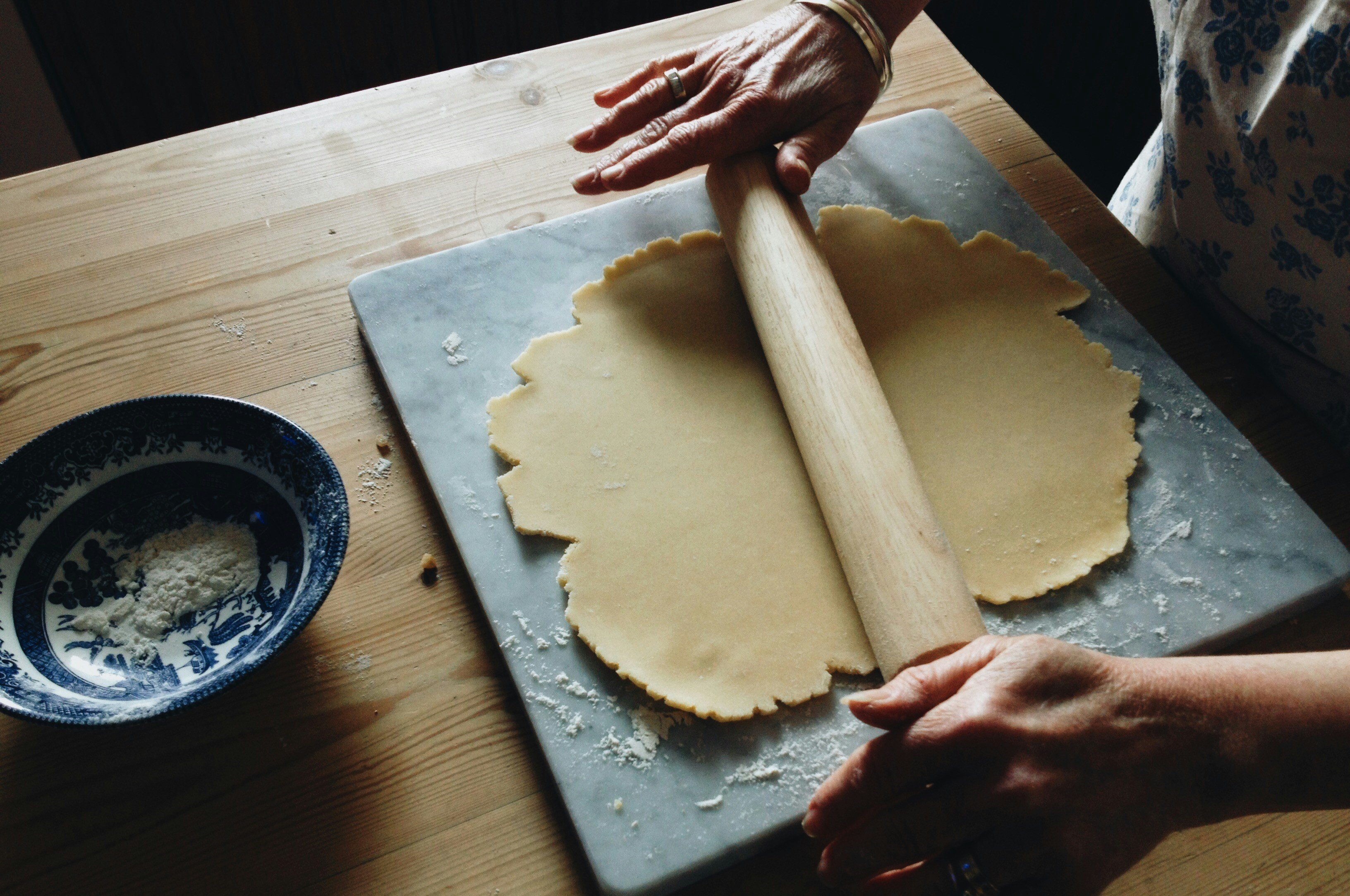
Roomali — thinner than a handkerchief
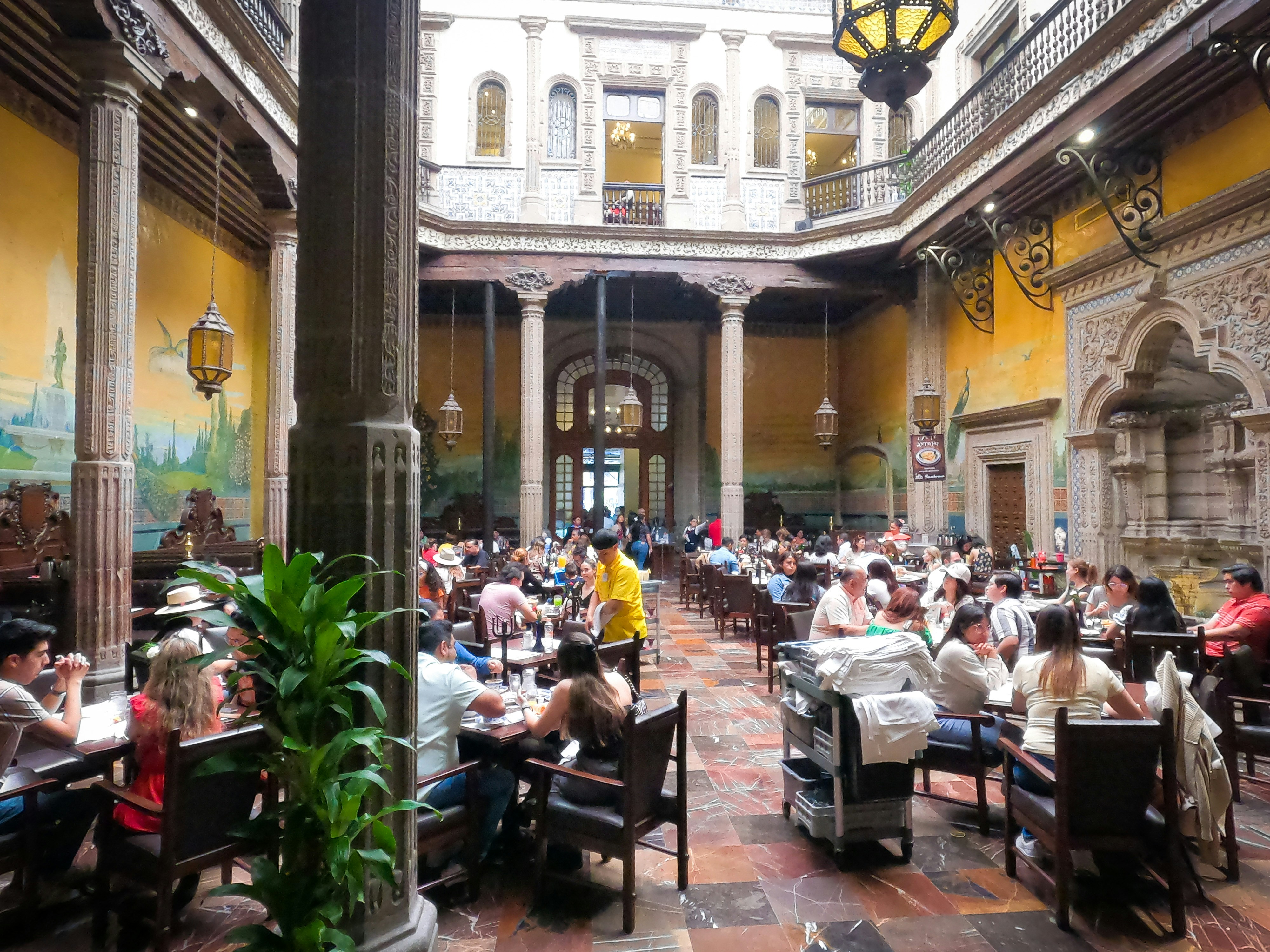
Sahn — the courtyard, after sunset
Chapter I
The Land That Feeds Us
Before the handi, before the coal, before the spice — there is soil. Uttar Pradesh soil, tended by families who have grown the same crops for the same kitchens across generations.
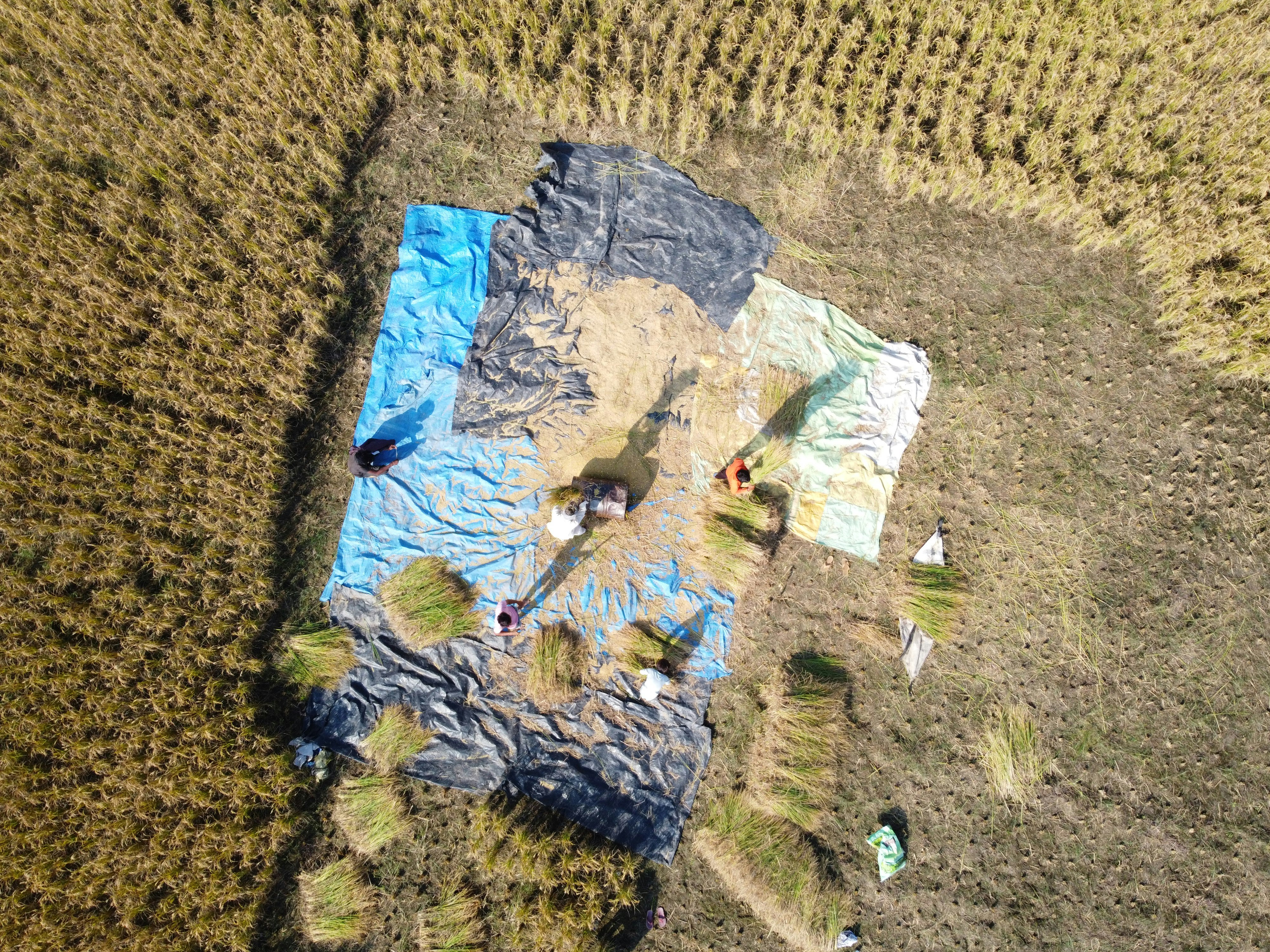
farm to kitchen
Taraori Basmati
Paddy fields, Hardoi district, UP
Our rice travels 280km from the Hardoi fields where Ramesh Yadav's family has grown long-grain basmati for four generations. It arrives unhusked, stored in clay, and milled three days before each biryani.
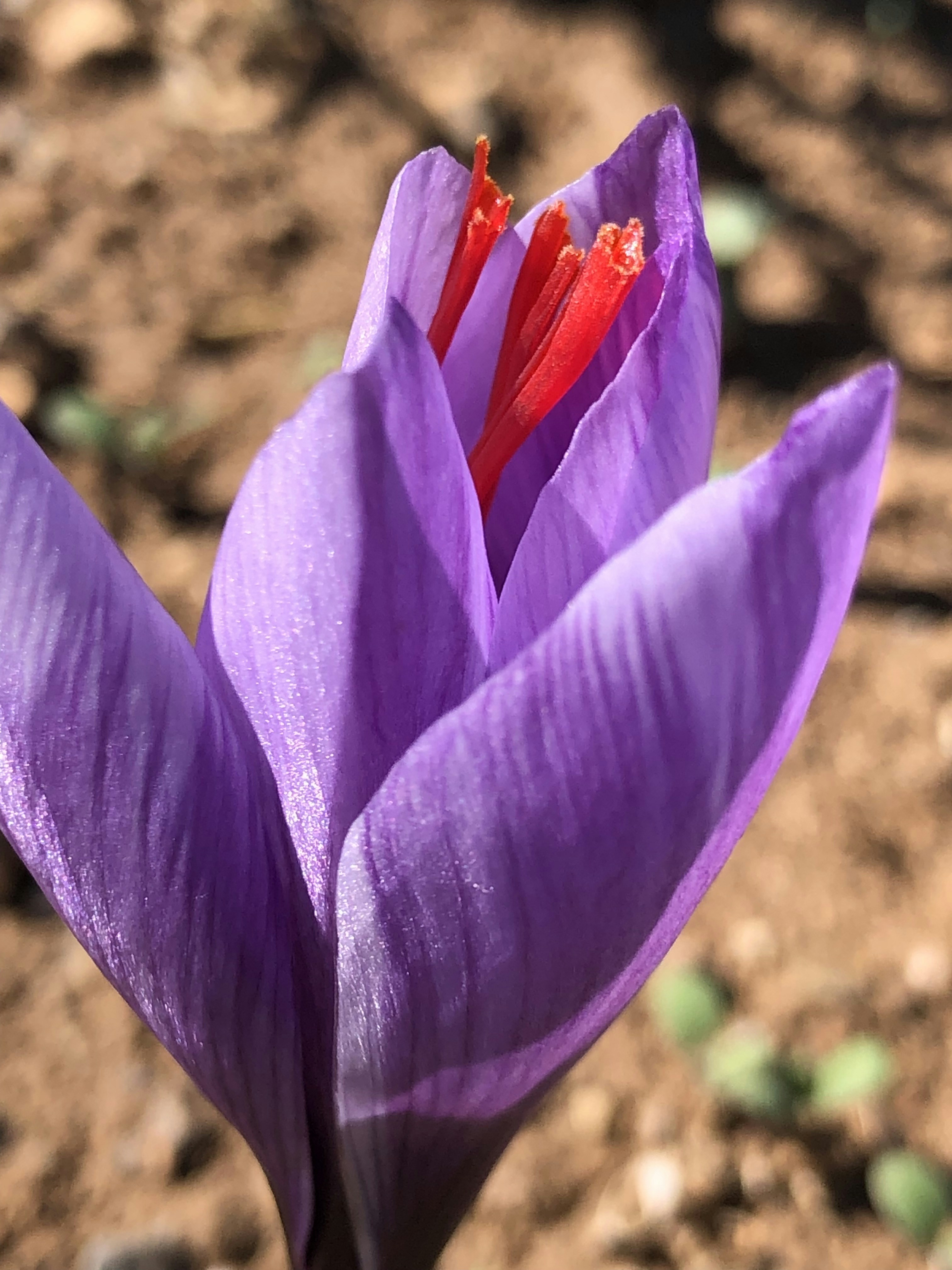
per degchi, always
Pampore Saffron
Crocus fields, Pulwama, J&K
The only saffron that blooms before dawn. Farida Begum's cooperative harvests 2kg per season — we use 0.3g per degchi. No substitutes. Never powder. This is why the korma glows.
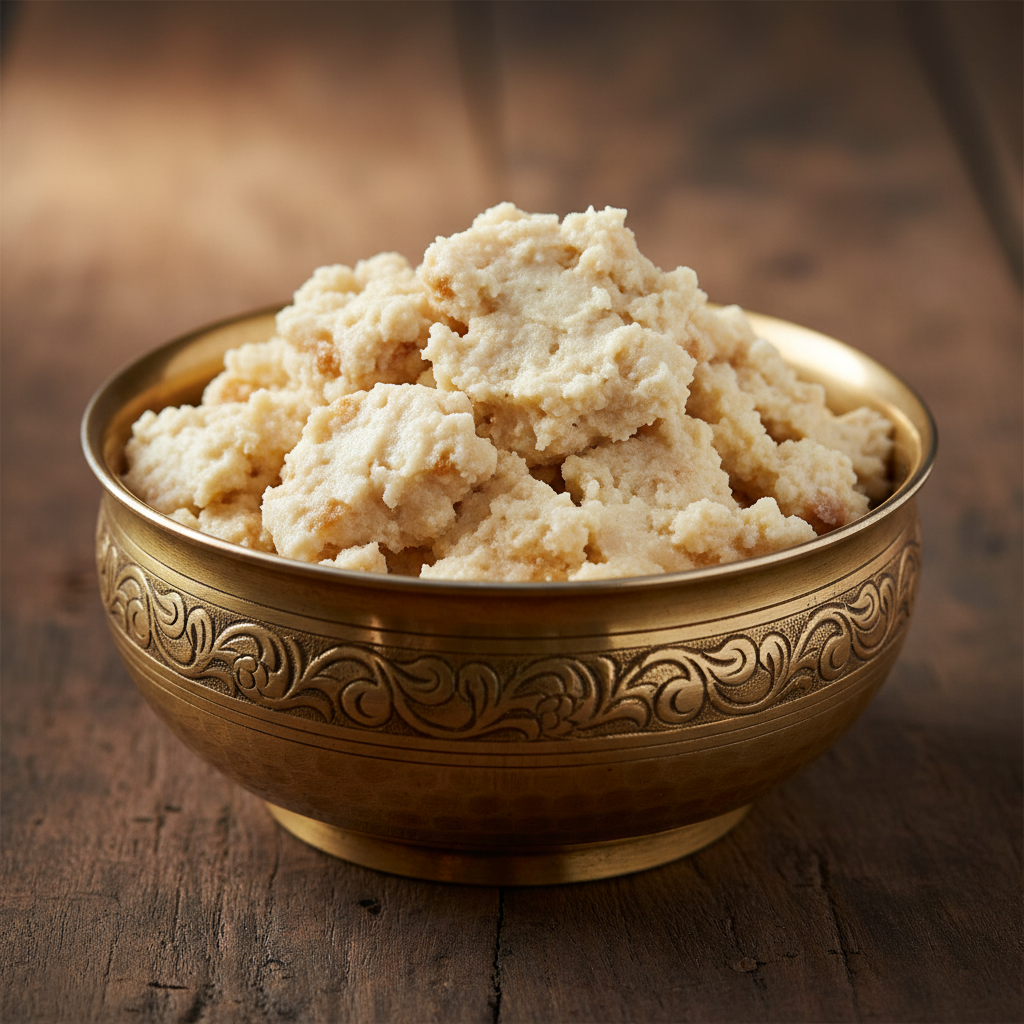
reduced over wood
Khoya from Govardhan
Dairy cooperative, Mathura, UP
Reduced over wood fire for six hours — the same duration as our dum. Arrives in leaf-wrapped blocks. Used in the shahi tukda and the phirni that ends every dawat.
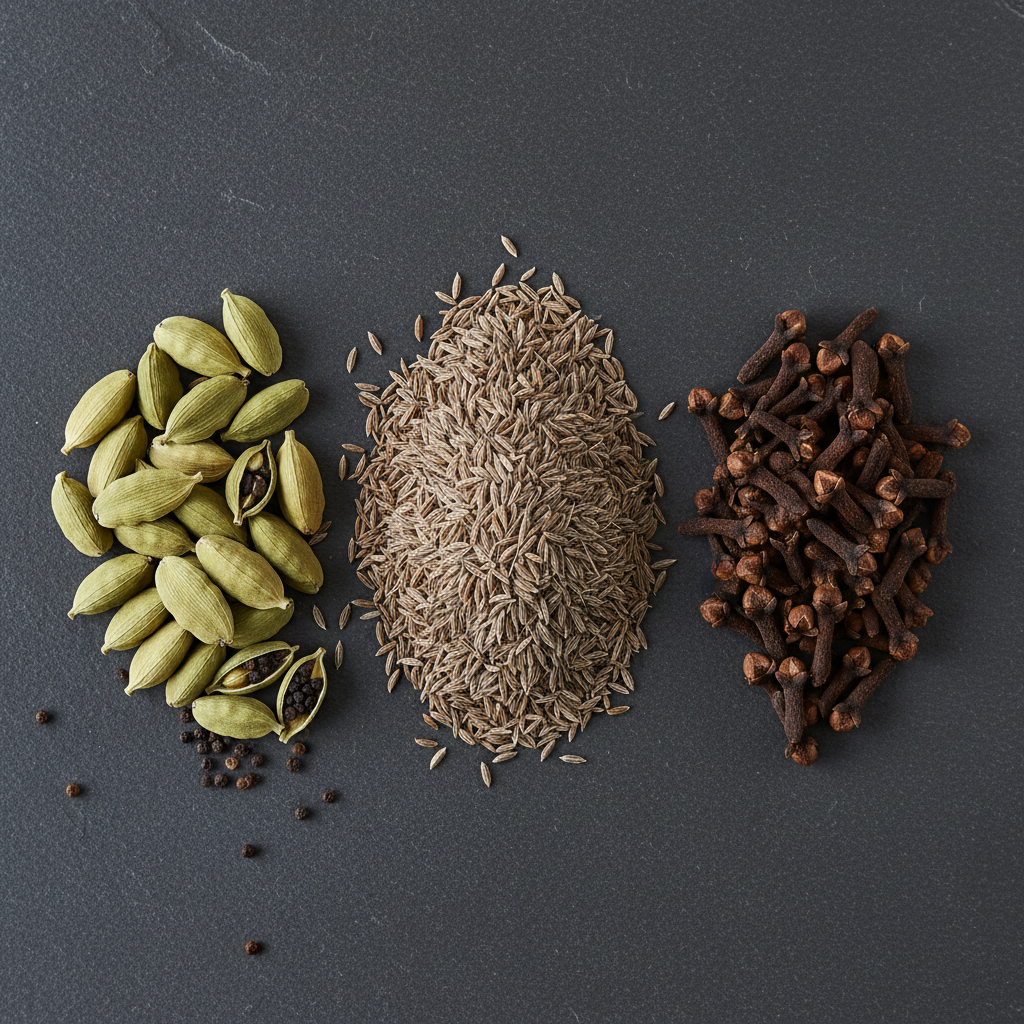
spices, one formula
Stone-Ground Masala
Spice market, Kannauj, UP
Twelve spices, one stone chakki, zero machines. The ratio is a 140-year-old family formula. Black cardamom from Sikkim, mace from Kerala, and the particular cumin that only grows in Bundelkhand.
"We don't source ingredients. We maintain relationships — with farmers, with seasons, with the particular character of each harvest. The korma knows the difference."
Chapter II
The Craft That Shapes It
Awadhi cuisine was codified in the royal kitchens of the Nawabs of Lucknow. Not recipes — protocols. Each technique is a discipline that takes a decade to learn and a lifetime to perfect.
Dum Pukht
Sealed pressure cooking
The handi is sealed with atta dough — not foil, never foil. Steam cannot escape. Pressure cannot escape. The meat, the rice, and the spices negotiate in the dark for four to six hours until they become one thing. The dough is broken at the table. That sound is the ceremony.
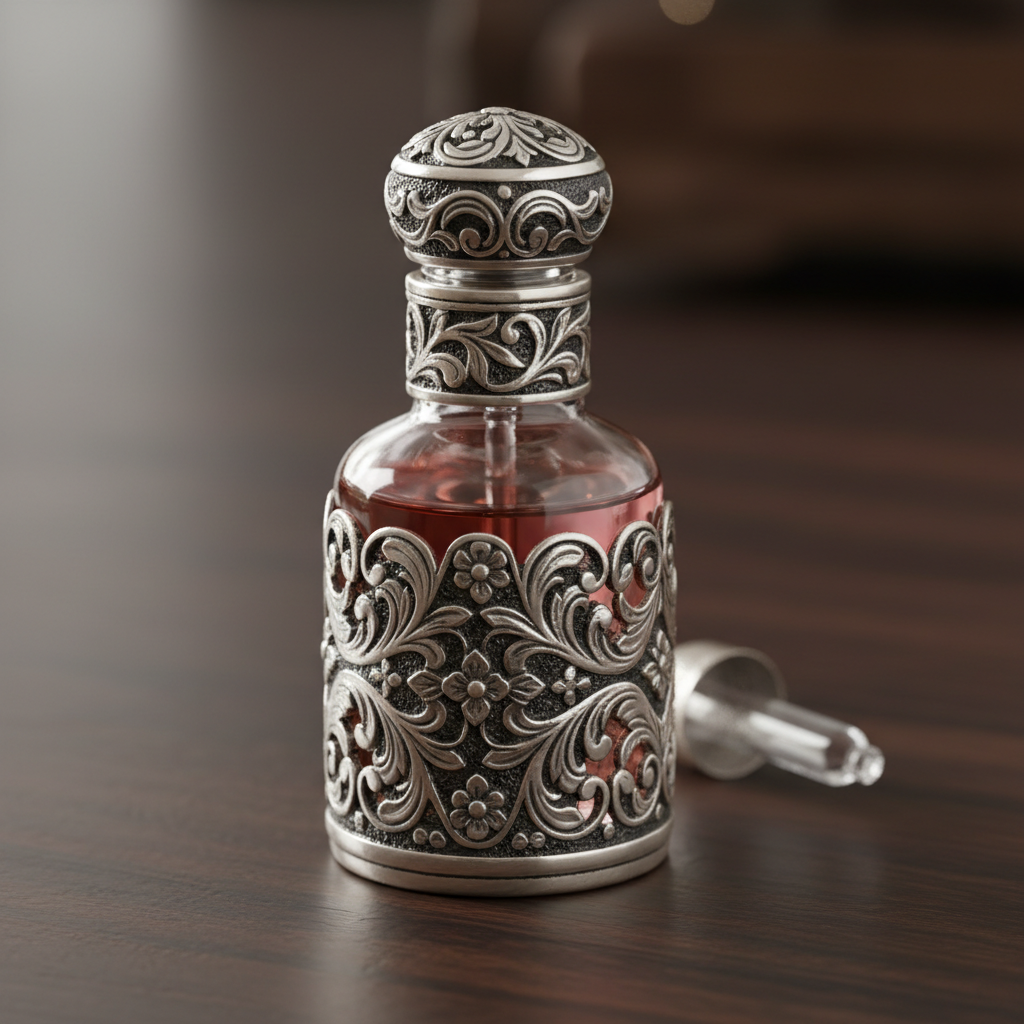
Ittar Infusion
Attarwali finishing technique
A drop of rose ittar on a hot coal, placed inside the sealed korma for the final eight minutes. The smoke carries the perfume into the gravy. This is not flavoring — it is the breath of the dish. Kannauj ittar, nothing else.
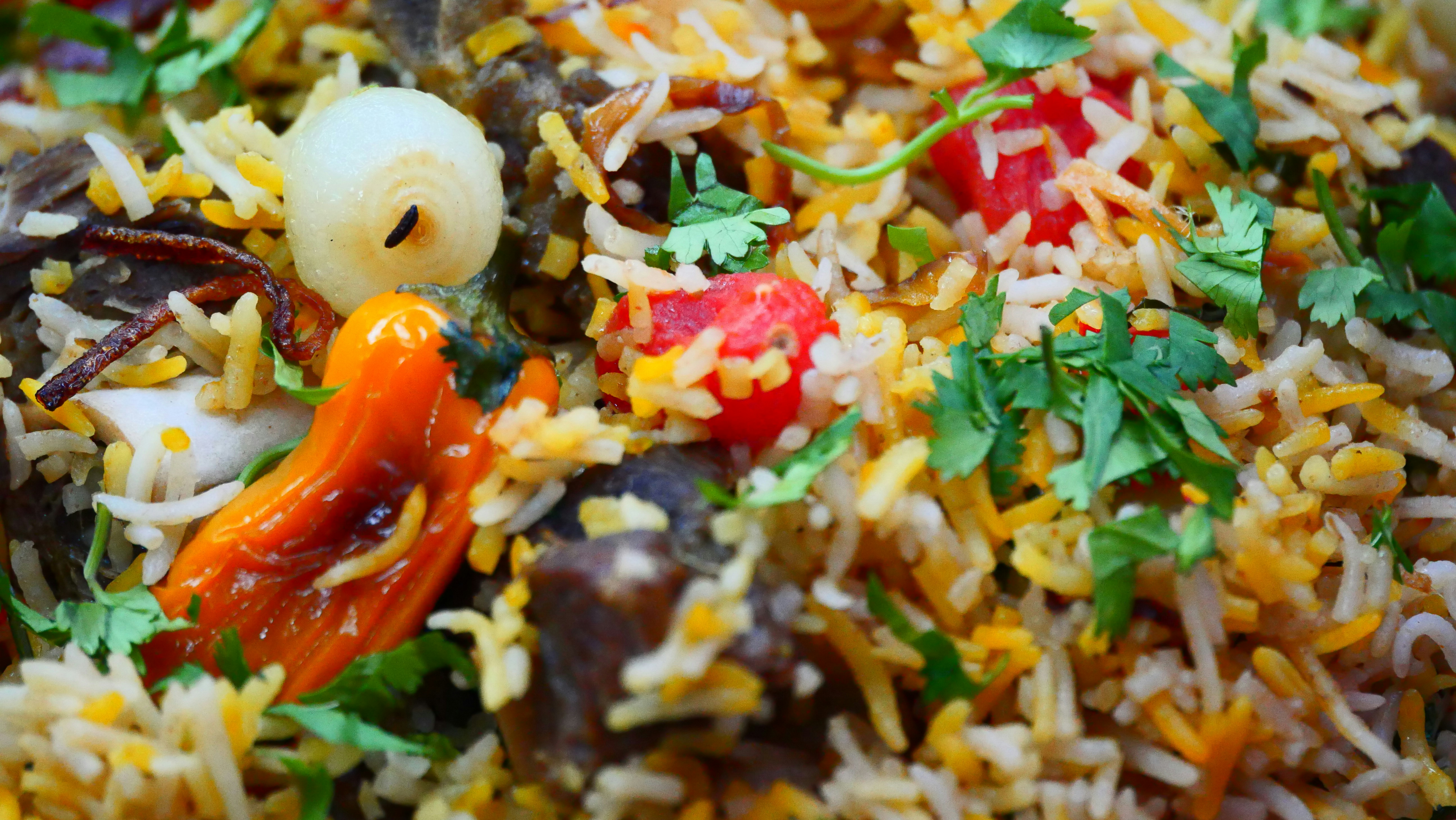
Saat Parat Biryani
The seven-layer method
Each layer of rice is distinct: fried onion, saffron milk, ghee, mint, rose water, the meat layer, and the finishing layer of pure white rice. Seven layers, seven flavors, one spoonful that contains all of them. It takes eleven hours from marination to table.
Chapter III
The People Behind It
A kitchen is not a building. It is a set of people who have agreed to care about the same things. These are the people who have made that agreement across generations.
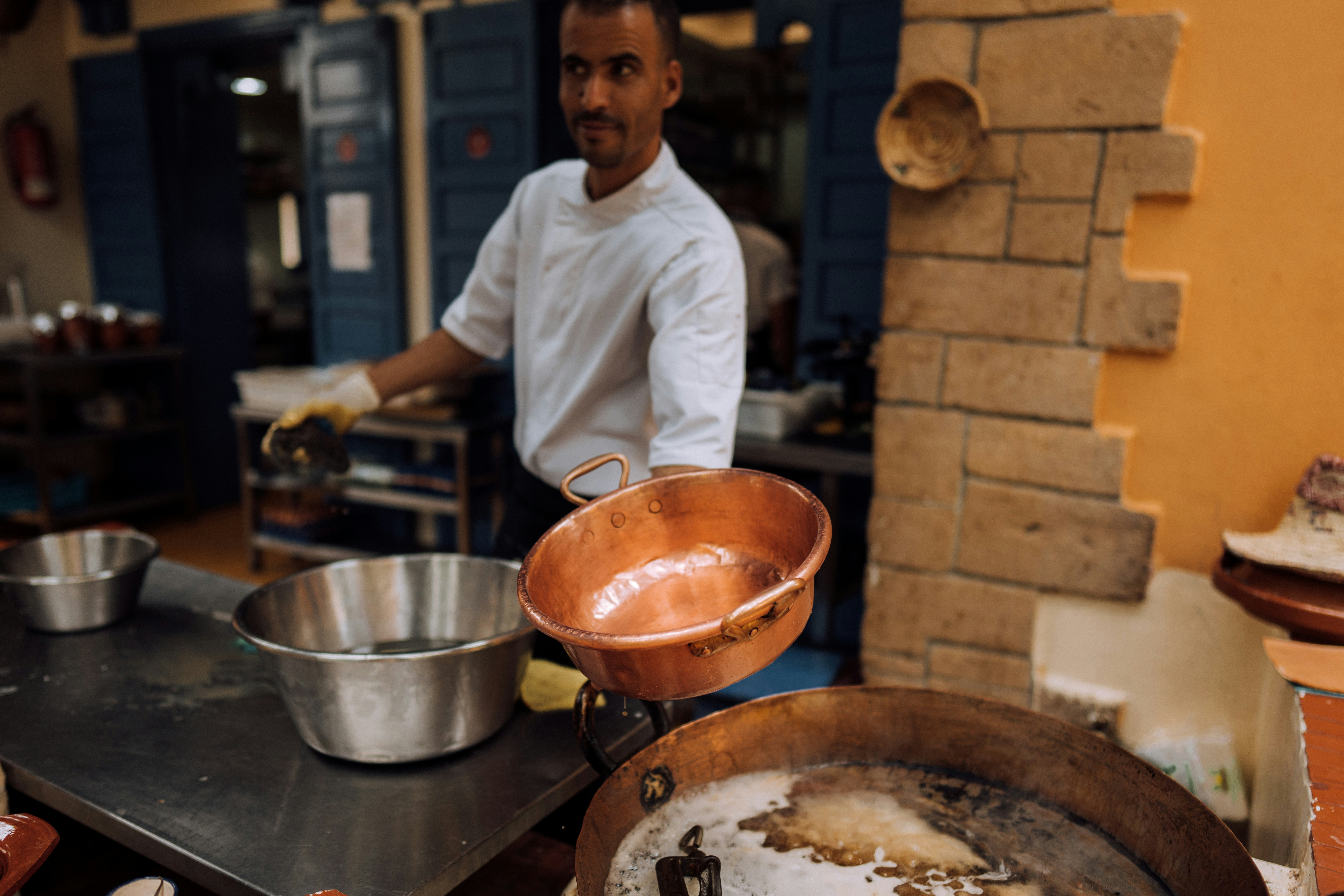
Ustad Maqbool Khan
Head Chef & Custodian
Son of Ustad Hamid Khan · Grandson of Nawab kitchen staff, 1952
"My grandfather served the last Nawab of Lucknow. My father served his guests. I serve yours. The korma has not changed."
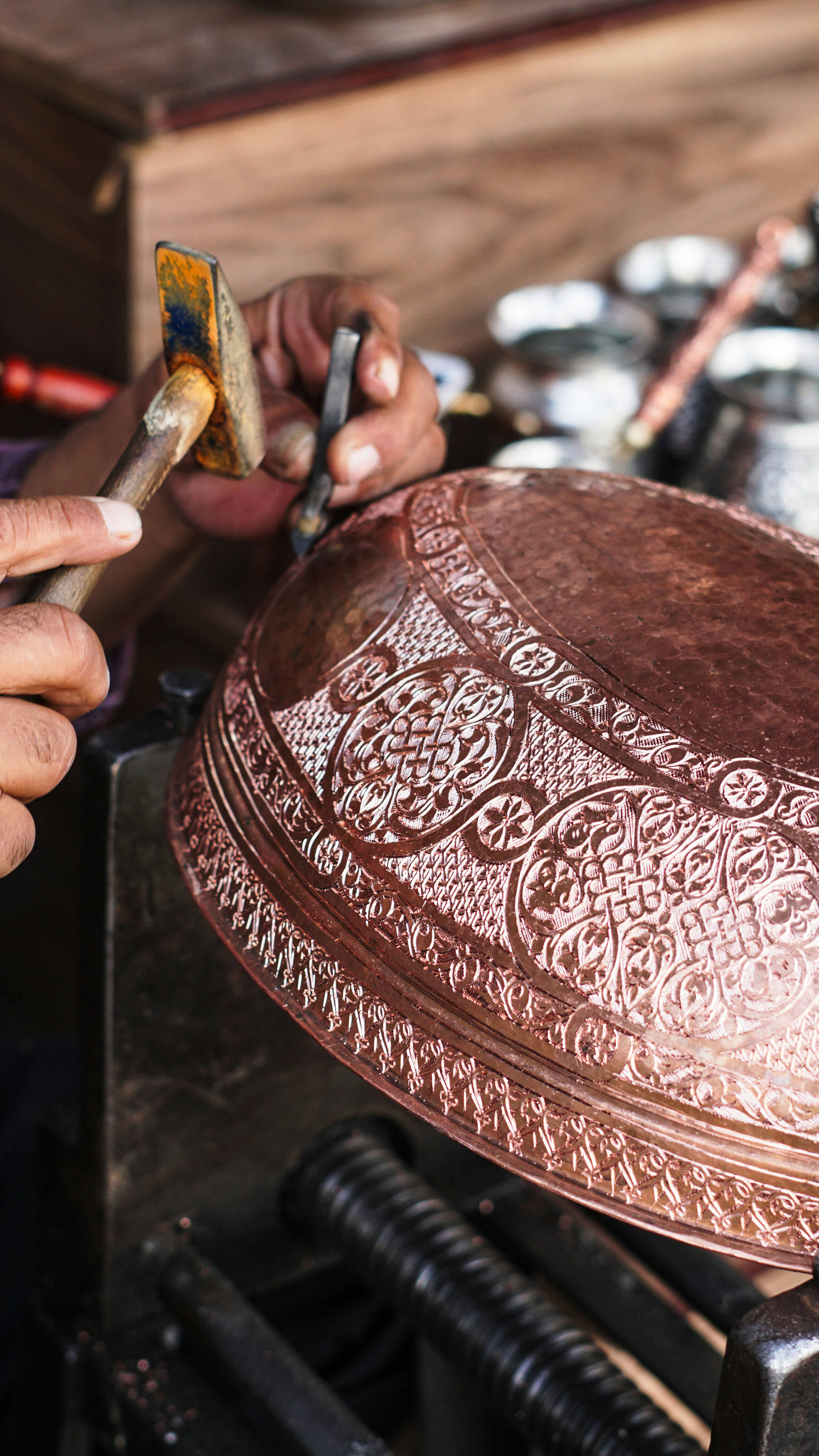
Ramzan Mistry
Copper Handi Maker
Thathera craft family · UNESCO listed, 2014
"Each handi takes three days to hammer. The shape is not decoration — it determines how the steam moves inside."
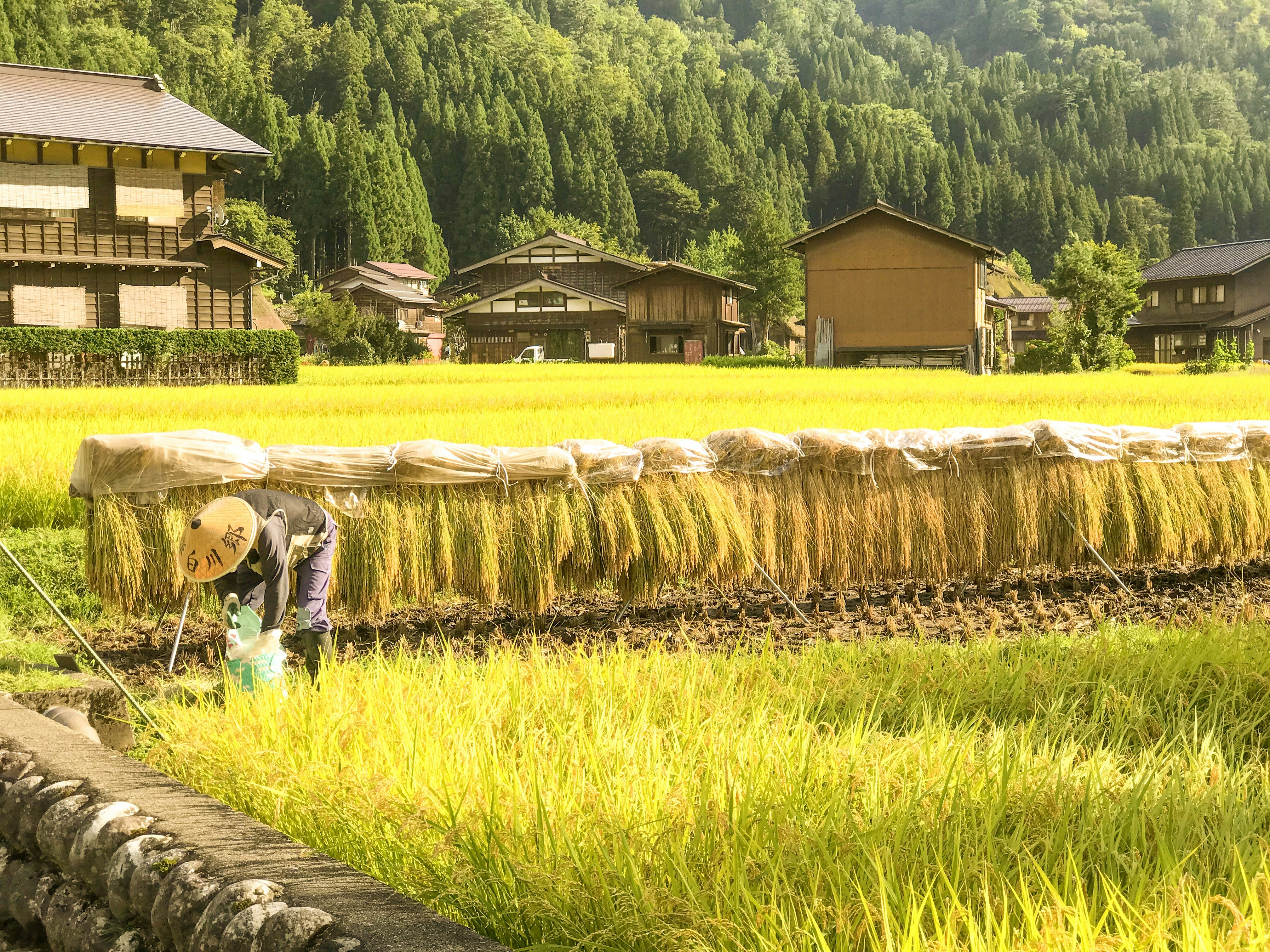
Ramesh Yadav
Basmati Grower
Fourth-generation farmer · Hardoi district, UP
"I planted this field the year my father died. He taught me: harvest before the dew lifts. That rice cooks different."
What They Say
The kakori kebab here is the only one I've had outside Lucknow that doesn't make me nostalgic for Lucknow.

Priya Kapoor
Food Writer, Bon Appétit India
We held our daughter's wedding rehearsal dinner here. Three hundred people. Not one asked where the catering came from — they asked who the chef was.

Anjali Mehrotra
Wedding Planner, Delhi
The dum biryani takes eleven hours. I know because I asked. When it arrived, I understood why.

Siddharth Rao
Restaurant Critic, Outlook Traveller
The Invitation
Reserve Your
Dawat
You are not booking a table. You are requesting entry into a tradition that has fed Nawabs, poets, and families marking the moments that matter.
Minimum 48 hours notice
Dum pukht cannot be rushed. We need time to do it right.
Minimum 8 guests
The dawat tradition is communal. A full table, a full story.
Personal consultation
We will call you to understand the occasion before confirming.
Not ready to commit?
Download our full Dawat Menu — seasonal dishes, occasion packages, and the story behind each preparation.